
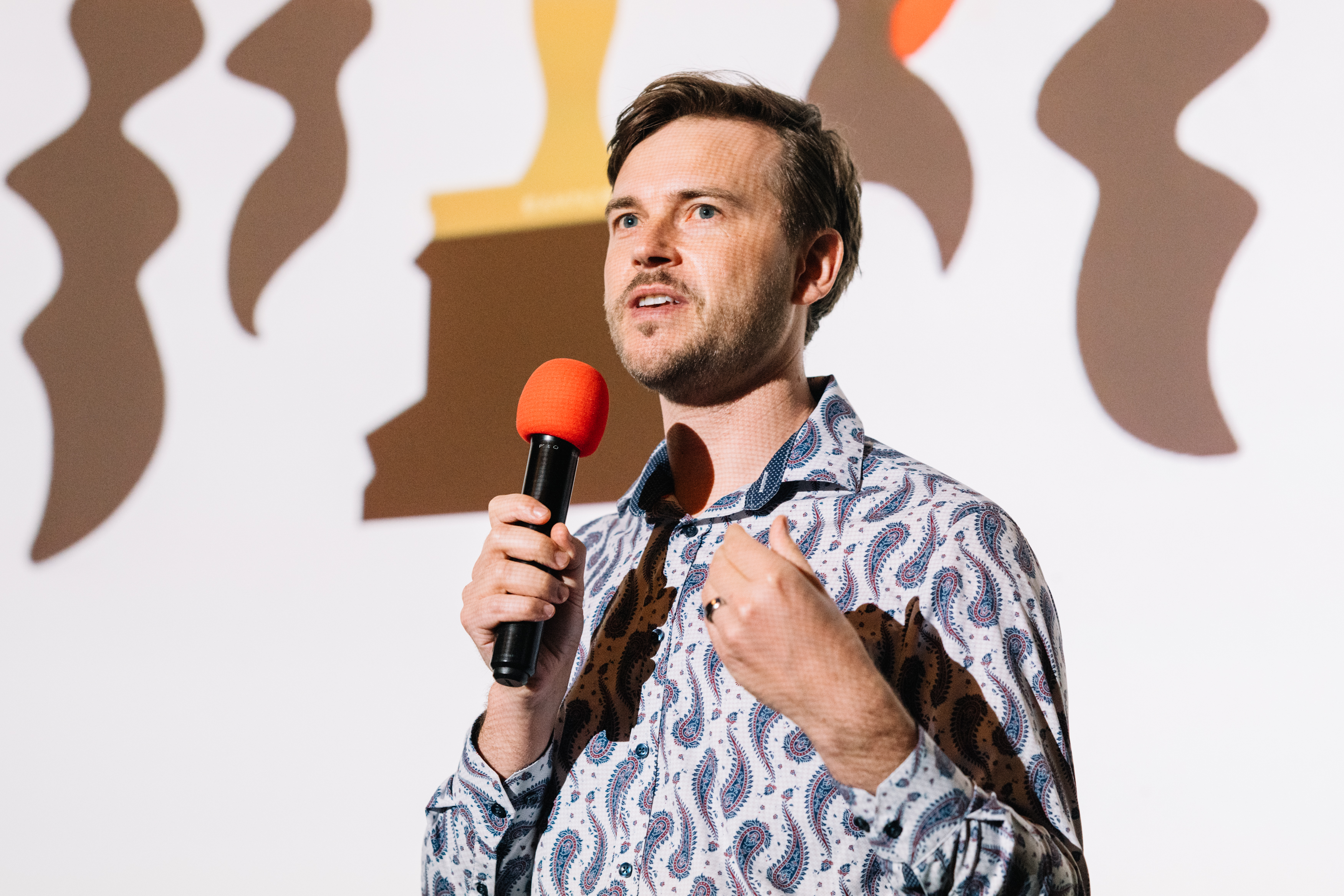
These were some of the questions explored by Benoit Berthe Siward, founder of The Animation Showcase, during his masterclass at Friss Hús Budapest International Short Film Festival.
Drawing on years of experience promoting award-winning animated shorts and Oscar®-nominated films, Benoit Berthe Siward offered a practical guide to film visibility, sharing strategies that filmmakers can apply regardless of their budget or the scale of their production.
Every Campaign Starts with Three Questions
According to Berthe Siward, every successful visibility campaign rests on three pillars:
- What is the film about?
- How was it made?
- Who made it?
These three elements provide the foundation for all communication surrounding a film. While the story itself remains central, audiences, journalists and industry professionals are often equally interested in the creative process and the people behind the project.
"The campaign should help people understand not only what the film is, but why it exists," he explained.
First Impressions Matter
One of the strongest messages of the masterclass was the importance of visual communication.
Posters, stills and key artwork are often the first point of contact between a film and its potential audience. Their purpose is not only to attract attention but also to communicate the correct tone and atmosphere of the film.
A misleading poster or poorly chosen visual can create false expectations and ultimately work against the film.
Typography, colours, imagery and overall design should all support the film's identity and help audiences immediately understand what kind of experience awaits them.
Making the Most of Existing Materials
When discussing trailers and teasers, Berthe Siward advocated for simplicity and efficiency.
Rather than creating entirely new content, filmmakers can often build strong promotional materials using scenes that already exist in the film. This approach saves both time and money while ensuring consistency between the campaign and the finished work.
He also highlighted several common techniques used in successful campaigns:
- Displaying major awards and festival selections early.
- Featuring strong quotes from respected critics or publications.
- Using recognizable names and endorsements when relevant.
- Creating an emotional impact through music and pacing.
The goal is not simply to summarize the story but to create curiosity and encourage viewers to seek out the film.
Extending the Life of Your Story
Visibility does not end once the film is completed.
Making-of materials, behind-the-scenes footage and creator-focused content offer opportunities to continue the conversation around a project. These materials naturally address the three pillars of communication: the story, the production process and the artists involved.
Social media platforms, particularly Instagram, provide an ideal space for sharing this content throughout production and distribution.
"BTS content isn't just promotion," Berthe Siward noted. "It's also community building."
By regularly sharing the filmmaking journey, creators can develop a relationship with audiences long before the premiere.
Creativity Beyond the Film
Some of the most memorable campaigns create entirely new content inspired by the original work.
Berthe Siward presented examples of creative posters, interviews, conversations with influencers and supplementary digital experiences that expanded the world of a film beyond the screen.
Whether through QR codes leading to exclusive content, collaborations with high-profile supporters, or inventive social media activations, the key is to remain faithful to the spirit of the film while finding new ways to engage audiences.
The Art of Using Laurels
Festival laurels remain one of the most recognizable symbols of prestige in independent cinema.
However, Berthe Siward encouraged filmmakers to resist the temptation to display every selection and award.
His advice was simple: Less is more.
A handful of highly recognizable accolades, such as Oscar®, Cannes or Berlinale recognition, often creates a stronger visual impact than a crowded poster filled with dozens of logos.
Visibility Starts During Production
One of the recurring themes throughout the masterclass was timing.
Many filmmakers begin thinking about promotion only after their film is finished. Berthe Siward argued that visibility should be considered throughout the entire production process.
Behind-the-scenes documentation, community building and strategic communication can all begin long before a premiere date is announced.
By the time a film enters festivals, audiences and industry professionals should already have a sense of its identity.
Understanding the Media Landscape
The session also explored media outreach and press strategy.
Not every publication will be interested in every film. Successful press work depends on finding journalists, critics and editors whose interests align with the project's themes and audience.
Berthe Siward encouraged filmmakers to research writers carefully by reading their previous articles and understanding the kind of stories they cover.
Potential partners include:
- General online media
- Specialized film publications
- Independent filmmaking platforms
- Festival blogs and YouTube channels
- Professional guilds and industry organizations
Rather than asking people to "help" promote a film, he suggested inviting them to become part of its story.
Owning Your Digital Identity
Today's filmmakers are responsible not only for their films but also for their digital presence.
Platforms such as IMDb, Letterboxd, Rotten Tomatoes, YouTube, LinkedIn, Instagram and Facebook collectively shape how audiences and industry professionals perceive a project.
Maintaining accurate and active profiles across these platforms allows filmmakers to stay in control of their own narrative and online reputation.
Festivals Are the Beginning, Not the End
Berthe Siward closed with a useful distinction:
Festivals are for the beginning of a film's journey. Academies are for the end.
Festival exposure helps a film find its audience, generate press coverage and build momentum. Awards campaigns and academy recognition become relevant later, once that foundation has been established.
Ultimately, visibility is not about chasing attention for its own sake. It is about helping a film connect with the people who are most likely to appreciate it.
And as Benoit Berthe Siward's masterclass demonstrated, achieving that goal often requires as much creativity and strategic thinking as making the film itself.